If you’re gearing up to run your very first Otter TERREX Trail, presented by EasyEquities, you’ve probably heard whispers of something called the Prologue. Is it a race? A formality? A test? A party trick? Don’t worry, we’ve got you covered.
Let’s break it down so you know what to expect, how to approach it, and why even the pros take it seriously (but not too seriously!).

What Is the Prologue?
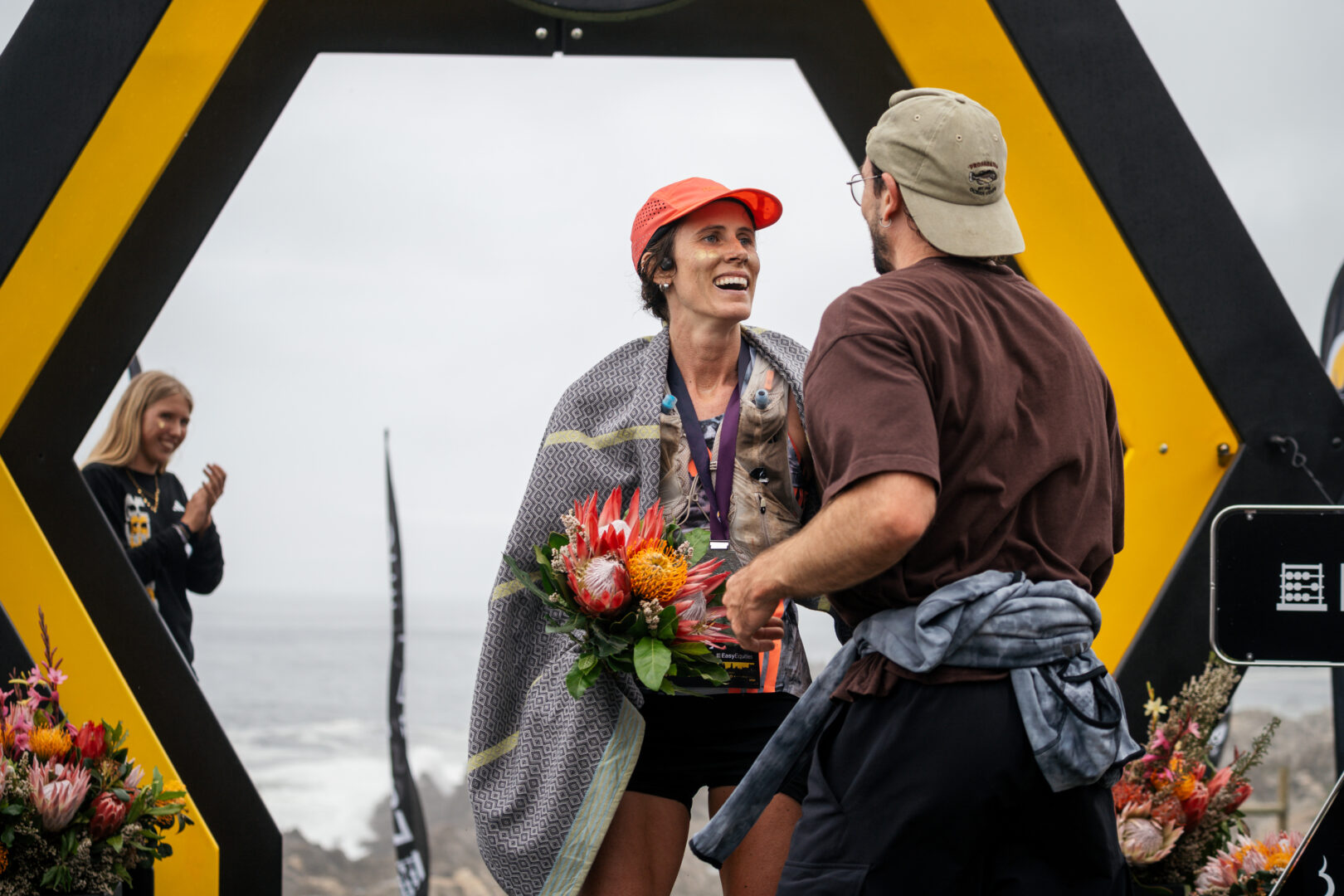
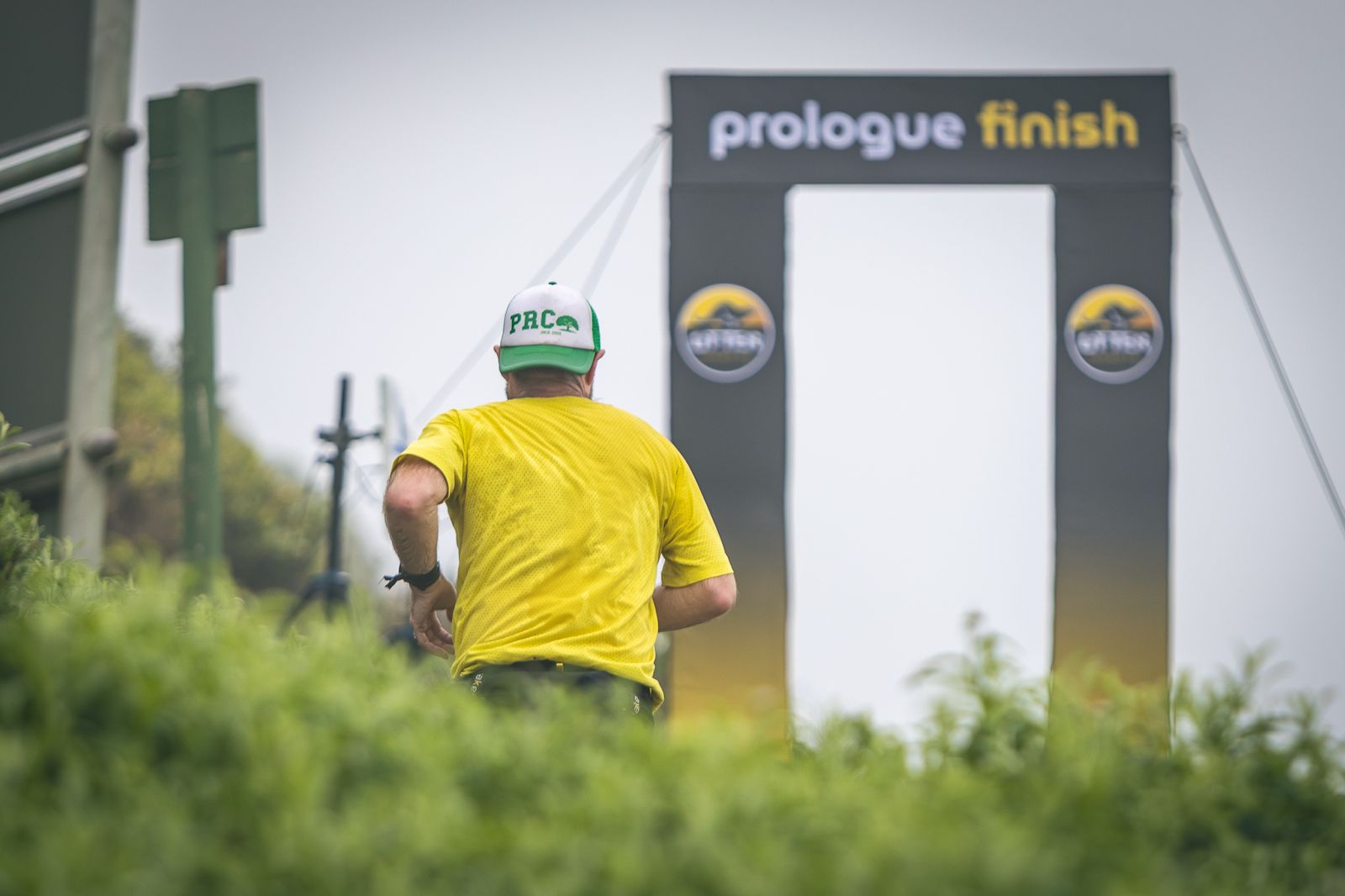
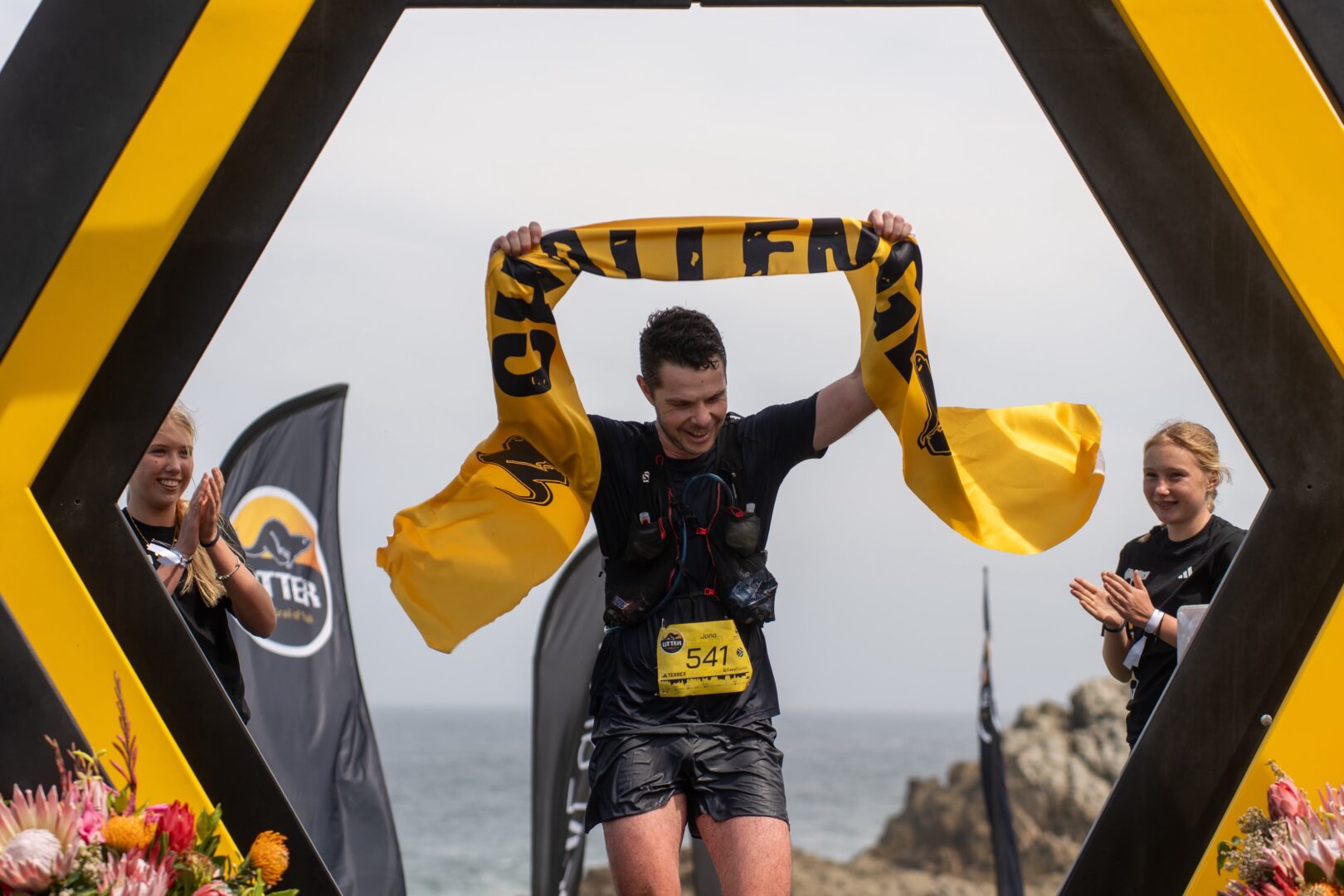
The Prologue is a short, timed, seeding run held the day before Otter TERREX Trail, presented by EasyEquities. Your time here determines your start batch for race day. If you’re aiming for a competitive run or a podium spot, this matters. The top 24 males and top 16 females from the Prologue qualify for Abangeni, the elite start group, and only Abangeni runners are eligible for prize money or category prizes.
You can run the Prologue anytime between 10:30am and 4:30pm for the Challenge and 10:30am and 3:00pm for the Race. There’s no official start as it’s mat-to-mat timing, so you can slot it into your day when it suits you. If you choose not to run the Prologue, you’ll be seeded in the final batch and won’t qualify for prizes, but there are no other penalties.
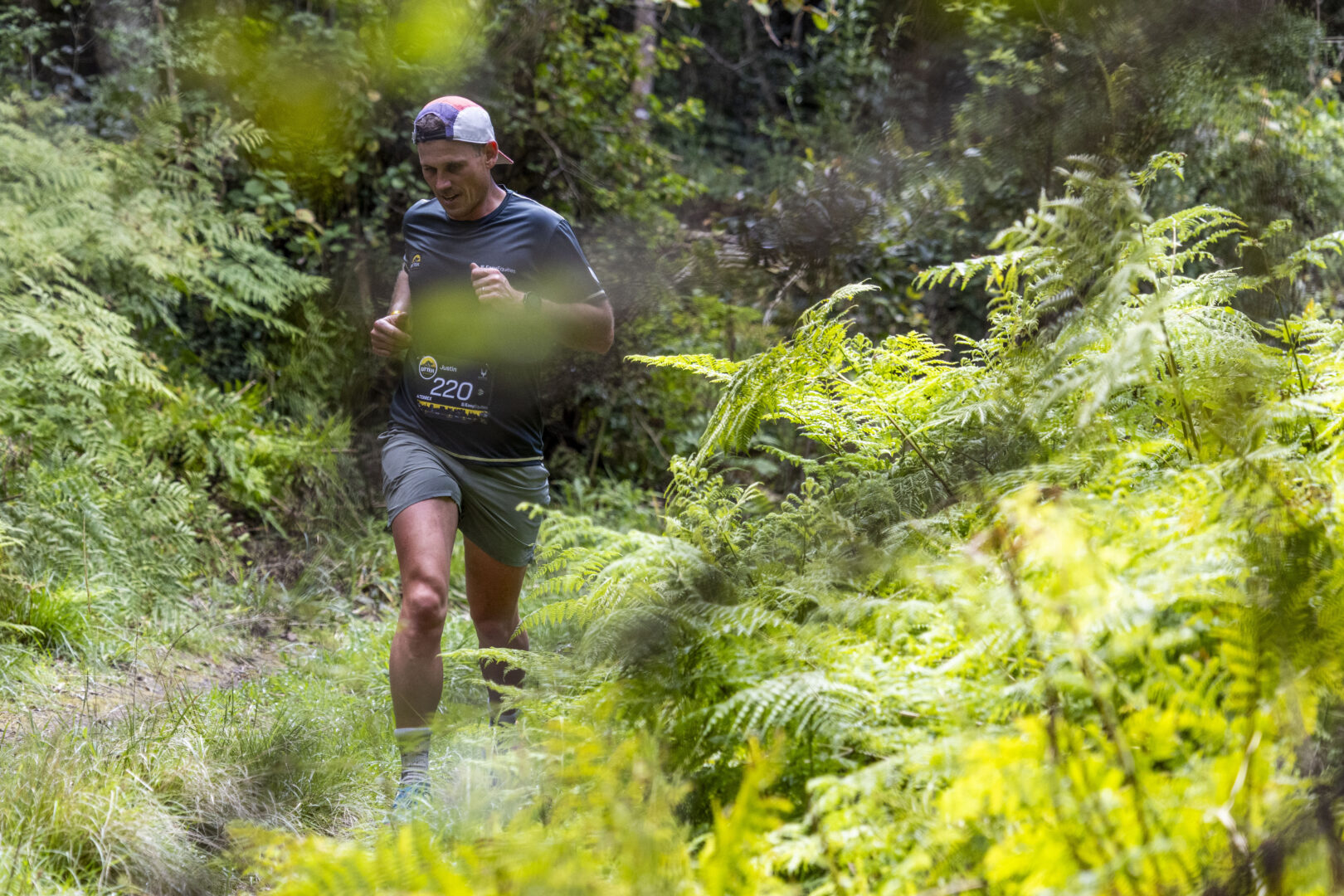
The route starts just a stone’s throw from the Race Village, right on the beach just past the river mouth. You can either park at the Nature’s Valley Lagoon Parking or hop on one of our EasyTransfer shuttles from the Race Village to the start (more on that later!). From the get-go, you’ll tackle a punchy climb, so a good warm-up is a must. Over the 4 km course, you’ll ascend from sea level to 202 m, then descend back down to finish in the heart of the Race Village itself.
Note: You’re allowed to re-run the Prologue if you’re unhappy with your time. Just be mindful of what that costs you in energy and recovery.

How Hard Should You Run It?
This is where it gets strategic. The goal is to run hard enough to secure a start position that reflects your ability, but not so hard that you compromise your legs for the main event.
It’s a delicate balance. Think tempo run, not all-out effort.
Advice from Otter Athletes
Kane Reilly
- Have a solid warm-up, the route kicks right off and it’s punchy. You want to start with some rhythm.
- Don’t overcook it. Have fun (the route is amazing), do what you need to do to get into your desired batch, but save it for race day.
- Think of recovery! Do what you can to recover asap. Go into the prologue fed and hydrated, if it’s warm consider taking hydration if you are going to warm up and do your prologue straight away, and get nutrients and liquid in you straight after.

Bianca Tarboton
- Watch out for the rocks and roots because there’s a long, technical descent and an ankle roll or fall the day before the race is the last thing you want.
- Don’t let the Prologue scare you for the race to come, enjoy it and use it as a way to get a feel for the course. Race day will be a lot slower and less intense than prologue day for sure, so use it as a way to get some of the race day nerves out.
Mvuyisi Gcogco
- For the final 500 meters, you’ll cross a river, so be prepared to get wet, especially if you’re racing to be one of the top contenders (Abangeni).
- The route starts with a steady climb. Focus on keeping your pace consistent until you reach the top. The climb is followed by a long downhill, where it’s best to flow with the descent while keeping your stride from getting too open. This will help you watch your footing and avoid twisting an ankle before the main race.
The Prologue sets the tone for your Otter experience, but it doesn’t need to be intimidating. It’s a chance to test your legs, get a feel for the terrain, and find your rhythm. Whether you’re chasing Abangeni or aiming for a start batch that suits your pace, a smart effort can shape your race day. Run hard enough to get what you need, then shift your focus to recovery, hydration, and rest. There’s no medal for the Prologue, but it influences how you experience the course the next day.