There is only one week a year when 600 runners are allowed to move through the full length of the Otter Trail, at race pace. For the rest of the year, access is tightly controlled, bookings are scarce, and the trail is carefully protected and managed by SANParks. That is what makes the Otter TERREX Trail, presented by EasyEquities, so extraordinary. It is not simply another race on the calendar. It is a rare act of trust which sees SANParks granting carefully managed access to one of the country’s most protected coastal trails.
When you line up at the Otter this year, you are part of a broader shift in how conservation is being approached in South Africa. One that recognises inclusion builds care. That responsible access can build long-term advocacy. That a few hours on a trail can translate into years of environmental awareness.

At first glance, 600 runners moving through a national park might seem at odds with conservation. For decades, protecting nature meant fences, permits and strict boundaries. Nature was safeguarded by keeping people out. South African National Parks’ (SANParks) Vision 2040 challenges that thinking, calling for conservation that is inclusive and shared with surrounding communities. The Otter has quietly become one of the clearest examples of what that looks like in practice.

From Fences to Living Landscapes
Victor Mokwena, Regional General Manager of the Garden Route Region for SANParks, speaks openly about the past. “Conservation of biodiversity cannot only happen inside the fence,” he says. “National parks belong to the people, not a select group, nor those who run them. They belong to everyone.”
Many protected areas were created through forced removals. Communities that had lived with the land for generations were excluded from them. Livelihoods that once depended on sustainable harvesting became illegal. Interaction with nature was restricted; sometimes criminalized. Vision 2040 asks a difficult question: who is conservation for?
If a National Park exists in isolation, surrounded by communities who feel excluded from these parks, can they truly thrive? Or, as Victor puts it, “Why must I care about something that doesn’t care about me? Something I don’t benefit from preserving.” The answer SANParks is working toward is what they call a “mega living landscape”, which translates to conservation that extends beyond park boundaries: a system where communities are participants and custodians, not outsiders. Of course, this does not mean reckless access. It means meaningful inclusion, where people have a reason to value and protect what surrounds them.

Indigenous Knowledge and Modern Science
Part of that shift is recognising that conservation knowledge does not come from one source alone. “For thousands of years,” Victor explains, “people lived in harmony with nature. They knew which species to harvest and which to leave. They took only what they needed. That is knowledge too.”
Indigenous knowledge systems, long sidelined, are increasingly recognised as legitimate science, rooted in observation and sustainability. Vision 2040 does not romanticise one system over another. It calls for both to work together.
“When science and indigenous knowledge dovetail,” Victor says, “we create a more functional system.” In Tsitsikamma, that thinking is already visible. Sections of the Marine Protected Area are now allocated for controlled local access, restoring sustainable fishing rights that were once criminalised.
Conservation is no longer something done to people, but something done with them, with many of the SANPark rangers coming from the local communities themselves. And that philosophy extends to how people are invited into the park, including trail runners.

Where Does the Otter TERREX Trail Fit In?
“Part of our work is bringing people to nature,” Victor says. “But you must bring them in a way that they love to interact with it.” Some people sit quietly under a tree. Others enjoy game drives. Trail runners run.
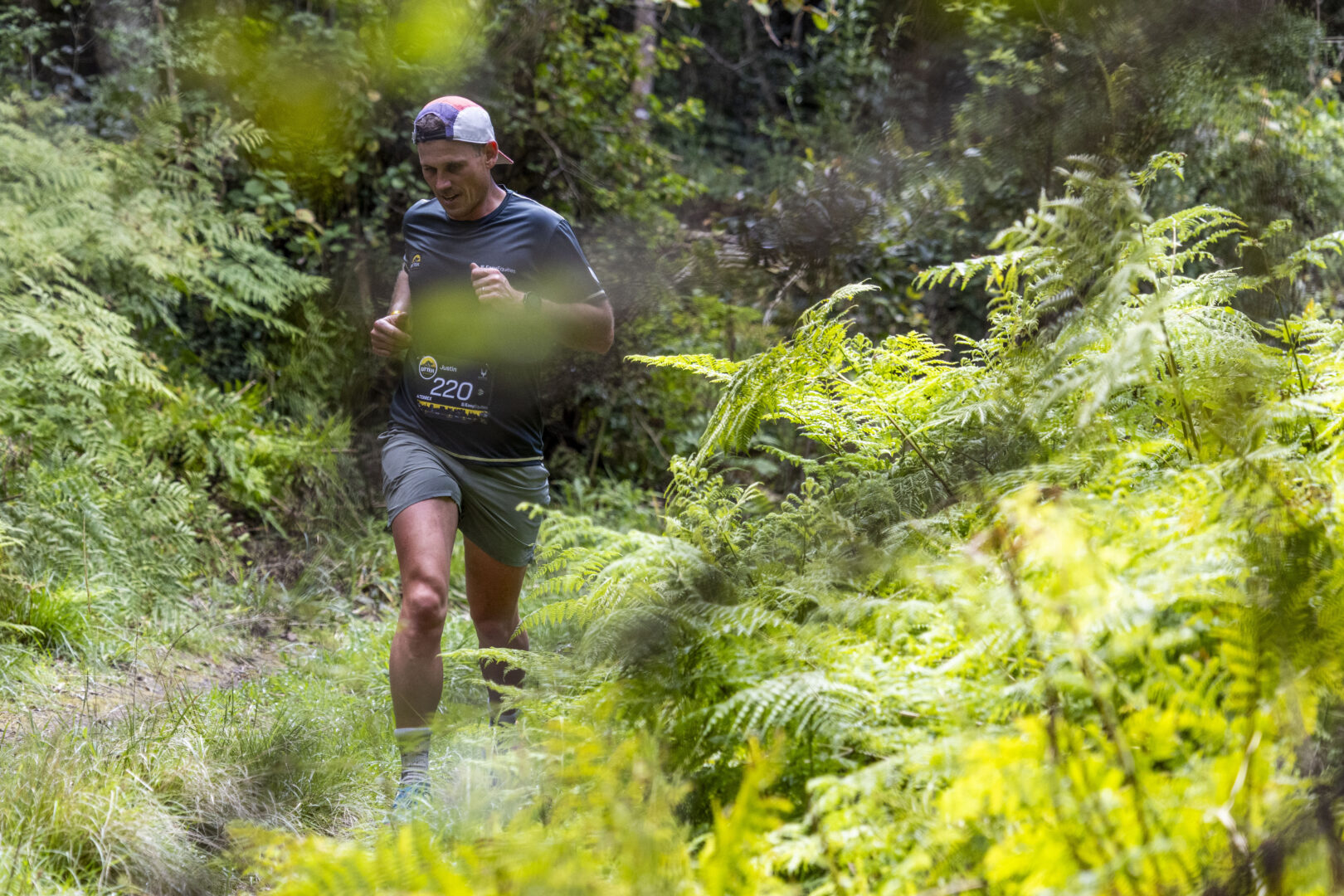
The Otter TERREX Trail is conservation in motion because it allows people to experience Tsitsikamma in a way that is personal and physical. It does not dilute the park’s protection. It strengthens its relevance.
The event is rigorously monitored. Years of environmental research confirm that it leaves no lasting degradation. The route is rehabilitated. Impact is measured. Systems are refined annually. But the deeper impact is harder to measure. When you climb out of the Bloukrans, when the forest air sits heavily in your lungs, when the coastline opens beneath you, you are not consuming nature. You are building a relationship with it. And people protect what they feel a part of.

Beyond the Trail
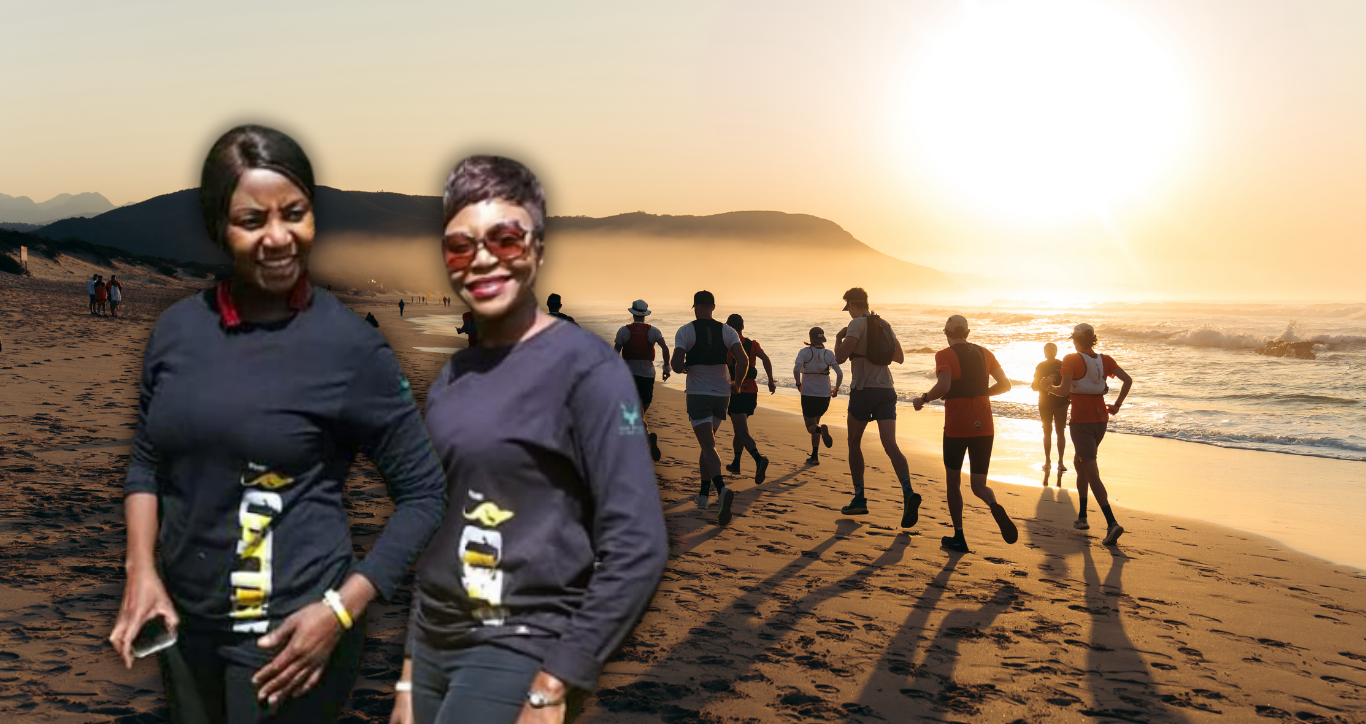
The ripple effect extends beyond race day. The Otter creates seasonal employment and supports local service providers. It brings visitors into the surrounding communities. It demonstrates that a protected landscape can generate value without being exploited.
You do not have to extract from nature to benefit from it. You can move through it, respect it, and celebrate it while strengthening the case for its protection.
That is the heart of Vision 2040. Relevance. Access. Shared custodianship.
A Shared Responsibility
The Otter only happens once a year. That rarity reflects the trust SANParks has placed in this event and in every runner who takes part. The privilege of running here carries weight.
It asks that you leave the trail better than you found it. That you carry its story forward. That you understand this coastline not just as a race route, but as a living landscape shaped by history, community and shared responsibility. And, that when you fall in love with this coastline – which you will – you advocate for its protection and preservation.